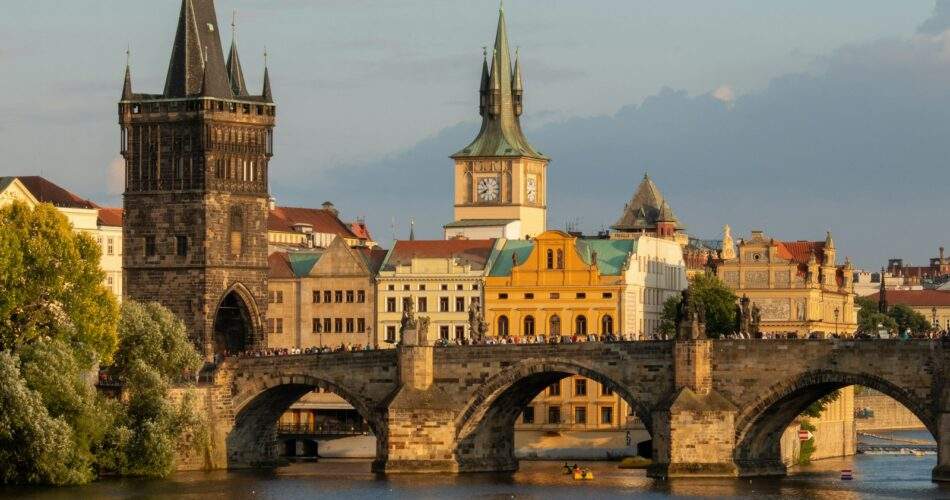

Prague reveals itself in layers—each cobblestone street, each Gothic spire, each dimly lit pub holds centuries of stories. This is a city where medieval towers cast shadows over contemporary galleries, where the Vltava River curves through neighborhoods that have witnessed empires rise and fall. What draws travelers here isn’t just the undeniable beauty of its architecture, though that alone could fill days of wandering. It’s the way Prague feels simultaneously preserved and alive, a place where you can trace the footsteps of Kafka through winding alleyways in the morning, then spend your evening in a smoky jazz club tucked beneath Renaissance vaults. The city manages something rare: it honors its complex past without becoming a museum piece, remaining a genuine capital city where locals outnumber tourists once you venture beyond the main squares.
Spring (April through June) offers Prague at its most pleasant, with mild temperatures and the city’s gardens coming into bloom. The crowds haven’t reached summer intensity, and you’ll find better accommodation rates than peak season. Late spring brings outdoor festivals and beer garden season begins in earnest. Summer draws the largest crowds—July and August see queues at major attractions and significantly higher prices, though the long daylight hours and open-air concerts along the river have their appeal. September through October might be ideal: warm days, fewer tourists, and the parks surrounding Prague Castle display spectacular autumn colors. Winter transforms the city into something intimate and atmospheric, particularly in December when Christmas markets fill Old Town Square with the scent of mulled wine and grilled sausages. January and February are genuinely cold—temperatures regularly drop below freezing—but also the quietest months, with rock-bottom hotel prices and locals reclaiming their city. Avoid the first week of May when multiple public holidays bring domestic crowds.
Start with the Prague Castle complex, but arrive early before tour groups descend. The Gothic St. Vitus Cathedral alone deserves an hour, and the Golden Lane’s tiny historic houses reveal how ordinary people lived within these royal walls. From the castle, walk down through Malá Strana’s baroque streets, where embassies occupy former palaces and quiet gardens hide behind unassuming doorways. Charles Bridge demands a visit, ideally at dawn before the buskers and portrait artists claim their spots. Cross into Staré Město, where the Astronomical Clock performs its mechanical dance hourly, though the real treasure is losing yourself in the medieval streets radiating outward from Old Town Square. The Jewish Quarter preserves several synagogues and the haunting Old Jewish Cemetery, where thousands of gravestones lean against each other in layers.
Beyond the obvious landmarks, venture to Vyšehrad, Prague’s less-visited castle perched above the river’s southern bend. This fortress offers equally stunning views without the crowds, plus a cemetery where Czech cultural icons rest beneath art nouveau monuments. For a taste of residential Prague, explore Vinohrady’s wide boulevards lined with art nouveau apartment buildings, or climb to Žižkov, a working-class neighborhood of pubs and the peculiar Žižkov Television Tower, its communist-era architecture softened by giant crawling baby sculptures. The Veletržní Palace, housing modern and contemporary art collections, receives far fewer visitors than it deserves. On weekends, locals browse the farmers’ markets at Náplavka, the riverside embankment where you can picnic on the steps leading down to the water.
Czech cuisine centers on hearty, warming dishes best appreciated after hours of walking cold streets. Svíčková—beef sirloin in cream sauce with cranberries and dumplings—appears on nearly every traditional menu. Goulash here differs from Hungarian versions, served thick with bread dumplings that soak up the rich gravy. Trdelník, the chimney cakes sold at every tourist corner, aren’t actually traditional Czech, but the apple strudel at Café Savoy definitely is, served in a grand setting that predates communist rule. What Prague genuinely owns is its beer culture. This is where Pilsner was perfected, and locals take their pub rituals seriously. U Fleků has been brewing dark lager since 1499, though it’s touristy now. Better to seek out neighborhood hospodas in residential districts, where a half-liter costs less than bottled water and locals still debate proper beer etiquette.
For atmosphere and convenience, Staré Město (Old Town) puts you within walking distance of major sights, though expect premium prices. Malá Strana offers quieter, more romantic streets at similar costs. Vinohrady and Žižkov provide better value with excellent restaurants and a local feel, connected to the center by metro and tram. Karlín, a revitalized neighborhood across the river, appeals to travelers wanting contemporary hotels and the city’s emerging food scene. Wherever you base yourself, Prague’s efficient public transport system means nowhere feels far.