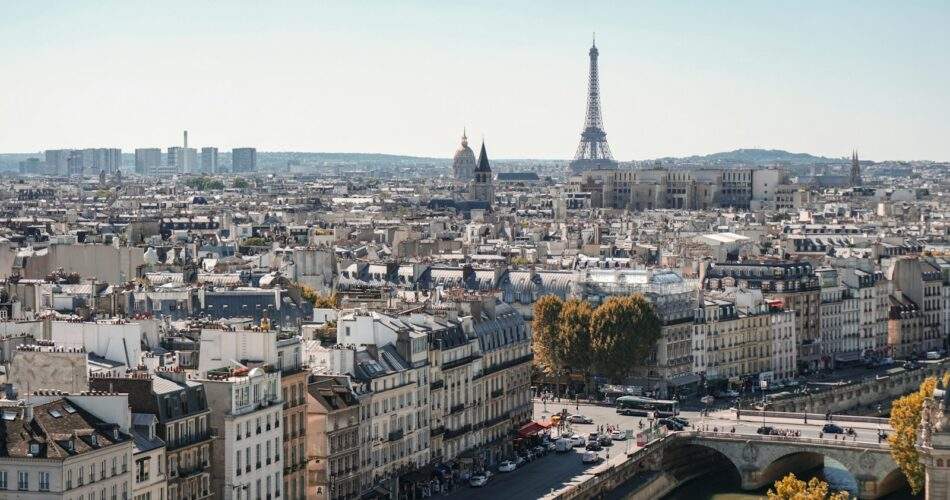

Paris reveals itself in layers—through the clatter of coffee cups at a zinc-topped bar, the particular slant of afternoon light on Haussmann facades, and the way locals still argue passionately about which bakery makes the city’s finest croissant. This is a place where daily life unfolds with a certain theatrical beauty, where neighborhood markets feel as essential as grand museums, and where the art of simply being present has been perfected over centuries. Beyond its iconic silhouette, Paris offers something more intimate: the chance to slip into a rhythm shaped by long lunches, evening strolls along the Seine, and the understanding that culture isn’t something you visit—it’s something you inhabit. Whether you’re drawn by its artistic legacy, its culinary rigor, or simply the promise of losing yourself in its quartiers, Paris rewards those who approach it not as a checklist but as an experience to be savored slowly.
Timing your visit can dramatically shape your Parisian experience. Spring, particularly April through early June, brings the city’s gardens into spectacular bloom and offers mild temperatures perfect for wandering. You’ll encounter crowds at major sites, but the energy feels manageable and the extended daylight hours justify the company. Fall mirrors these advantages—September and October deliver golden light that photographers dream about, harvest menus in restaurants, and a post-vacation calm as Parisians return from August holidays.
Summer means long, warm evenings and pop-up riverside beaches along the Seine, but also peak tourist season with corresponding prices and queues. If you don’t mind sharing space, July brings Bastille Day fireworks and the conclusion of the Tour de France. August sees many local shops shuttered as residents flee the heat, giving the city a peculiar, drowsy quality that some travelers find enchanting and others frustrating.
Winter, especially January and February, offers the lowest prices and smallest crowds, though expect gray skies and temperatures hovering around 40°F. The city takes on an introspective mood that suits museum days and cozy bistros, though some travelers find it too melancholic. December’s holiday markets and elaborate window displays along Boulevard Haussmann create festive compensation for the chill.
Start your exploration in the Marais, where medieval lanes harbor concept boutiques, falafel shops, and some of the city’s finest small museums. The Musée Carnavalet tells Paris’s story through evocative objects and period rooms, while the nearby Place des Vosges offers perfect symmetry and a rare breath of tranquility. From here, wander westward toward the Île de la Cité, but resist the urge to rush straight to Notre-Dame. Instead, explore Île Saint-Louis behind it—this smaller island feels like a village preserved in amber, complete with Berthillon’s legendary ice cream.
The Latin Quarter rewards aimless exploration, particularly around Rue Mouffetard’s market street where locals still shop for cheese, wine, and produce. Cross the river to Saint-Germain-des-Prés, where legendary cafés like Les Deux Magots trade on their philosophical pedigree, though you’ll find better coffee and more authentic atmosphere at smaller spots tucked along side streets. The Musée d’Orsay deserves several hours—its Impressionist collection alone justifies the visit, housed magnificently in a former railway station.
For an experience most visitors miss entirely, visit the Promenade Plantée in the 12th arrondissement, a former railway viaduct transformed into an elevated garden walk decades before New York’s High Line copied the concept. It offers a completely different perspective on the city, winding through residential neighborhoods where everyday Parisian life unfolds below. Similarly overlooked, the Musée Rodin’s sculpture garden provides a peaceful counterpoint to crowded galleries elsewhere, with “The Thinker” contemplating visitors among the roses.
Parisian food culture operates on principles worth understanding: meals follow rhythms, quality trumps quantity, and certain dishes belong to specific times. Breakfast means a croissant or pain au chocolat with coffee—substantial morning meals aren’t traditional. Seek out a proper boulangerie rather than grabbing pastries from cafés; locals can instantly identify the difference. For lunch, embrace the prix-fixe menu at neighborhood bistros where you’ll find dishes like boeuf bourguignon or sole meunière prepared exactly as they have been for generations.
Evening brings apéro—that sacred hour for wine and conversation before dinner. Try a natural wine bar in Belleville or the 10th arrondissement where young sommeliers are reshaping French wine culture. Don’t miss steak frites, ideally at a classic brasserie where the formula has been perfected. For something lighter, oysters and Muscadet at a seafood bar capture the essence of French simplicity. End with cheese—a proper fromager will guide you through regions and styles with professorial enthusiasm. Des Gâteaux et du Pain in the 15th serves pastries that will recalibrate your understanding of what a croissant should be.
Consider which neighborhood matches your travel style. The Marais offers proximity to sights and vibrant evening energy. Saint-Germain and the 6th arrondissement provide classic Parisian elegance at correspondingly higher prices. For a more residential feel with excellent food options, look toward the 10th, 11th, or 18th arrondissements where you’ll live more like a local. Montmartre charms but feels touristy near Sacré-Cœur—seek accommodation on the neighborhood’s quieter northern slopes instead.