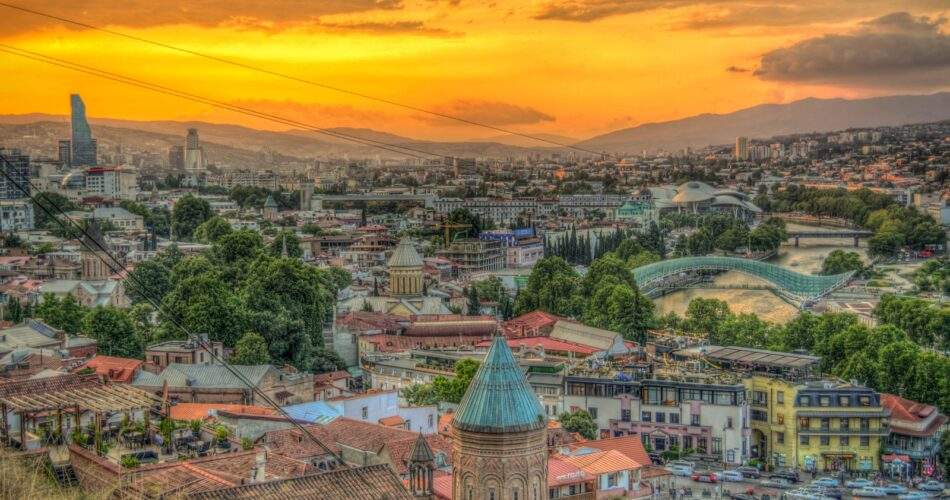

Tbilisi unfolds along the Mtkvari River like a story written in layers—Byzantine churches perched on hillsides, art nouveau balconies draped over cobblestone lanes, and Soviet brutalist blocks standing unapologetically beside wine bars carved into medieval stone. This is a city where grandmothers still hang laundry from wrought-iron terraces while techno beats pulse from basement clubs below. The air carries the scent of freshly baked shotis puri and sulfuric springs that have been healing bodies for centuries. Tbilisi rewards the traveler who lingers long enough to understand that its real charm lies not in polished monuments but in the friction between eras—where Persian bathhouses share walls with contemporary art galleries, and where hospitality isn’t performed but lived.
The warmest months between May and October draw the most visitors, though each season offers distinct rewards. Late spring brings wildflowers to the surrounding hills and comfortable temperatures hovering around 20-25°C, perfect for exploring the Old Town’s steep lanes without breaking a sweat. Summer can be scorching—July and August often exceed 35°C—but evenings cool down beautifully, and the outdoor cafe culture reaches its peak. This is also when Tbilisi Wine Days takes place in late May, celebrating Georgia’s 8,000-year winemaking tradition with tastings throughout the city.
September and early October might be ideal timing. The heat softens, golden light bathes the city’s eclectic architecture, and the grape harvest brings special energy to restaurants and wine bars. Winter tourists are rare, which means lower prices and a more authentic glimpse of local life, though temperatures drop near freezing and some outdoor attractions feel less inviting. Avoid late November through February unless you’re drawn to the moody, introspective side of travel—grey skies dominate, and many outdoor venues close. Spring arrives early here; by April, the city shakes off winter completely.
Start your exploration in the Old Town, where the Narikala Fortress watches over everything from its perch above the botanical gardens. Rather than climbing, take the cable car from Rike Park—the views across terracotta rooftops toward the Caucasus Mountains are worth the short ride alone. Below the fortress, the Abanotubani district cradles Tbilisi’s famous sulfur baths, their distinctive domed architecture unchanged for generations. Book a private room at Chreli Abano or the historic Orbeliani Baths for an experience that connects you directly to what drew settlers to this valley millennia ago.
Wander through Shardeni and Erekle II streets, where renovated merchant houses now hold galleries and wine bars, then cross the ultra-modern Peace Bridge—locals call it “the sanitary pad” with affectionate irreverence—to reach Rike Park. The Fabrika complex deserves an afternoon: this former Soviet sewing factory has transformed into a creative hub with studios, independent shops, and a courtyard cafe where you’ll find more locals than tourists. For something few guidebooks mention, visit the Open Air Museum of Ethnography on Turtle Lake’s slopes, where traditional Georgian houses from every region have been relocated and preserved, offering context you won’t find anywhere else.
The Georgian State Museum of Fine Arts houses surprising treasures, including medieval icons and contemporary Georgian art that challenges assumptions about this region’s creative output. Don’t skip Mtatsminda Park either—reached by funicular, this Soviet-era amusement park perched on a mountain offers kitsch nostalgia and panoramic city views, especially magical at sunset.
Georgian cuisine centers on khachapuri—cheese-filled bread that varies by region—and khinkali, soup dumplings that demand technique to eat properly (hold by the twisted top, bite carefully, sip the broth, then devour). But Tbilisi’s food culture runs deeper. Seek out puri at Purismani Bakery, where traditional clay ovens produce bread with blistered, charred crusts still warm when you buy it. Badrijani nigvzit (eggplant rolls with walnut paste), lobio (kidney bean stew), and chakapuli (lamb stew with tarragon) reveal how Georgian cooking balances richness with brightness.
Wine culture permeates everything here. Georgia’s qvevri method—fermenting wine in buried clay vessels—predates European winemaking by thousands of years. Natural wine bars like Vino Underground or 8000 Vintages pour amber wines and rare regional varieties you won’t find elsewhere. For a more traditional experience, Shavi Lomi serves impeccable home-style Georgian cooking in an intimate setting that feels like dining in someone’s well-curated apartment.
The Vera and Vake neighborhoods offer quieter, residential atmospheres with excellent restaurants and cafes, ideal if you prefer staying beyond the tourist center while remaining walkable to major sites. Sololaki, just above the Old Town, provides a middle ground—historic architecture, local life, and easy access to everything, though expect hills. The Old Town itself places you in the heart of the action but means navigating cobblestones and tourist crowds. Wherever you stay, Tbilisi’s compact size makes exploration easy on foot or via the efficient metro system.
When you’re ready to dig deeper into what makes this city extraordinary—from the right neighborhoods to hidden restaurants to cultural experiences that match your interests—Cityraze can help connect the dots and turn these impressions into an actual itinerary worth remembering.