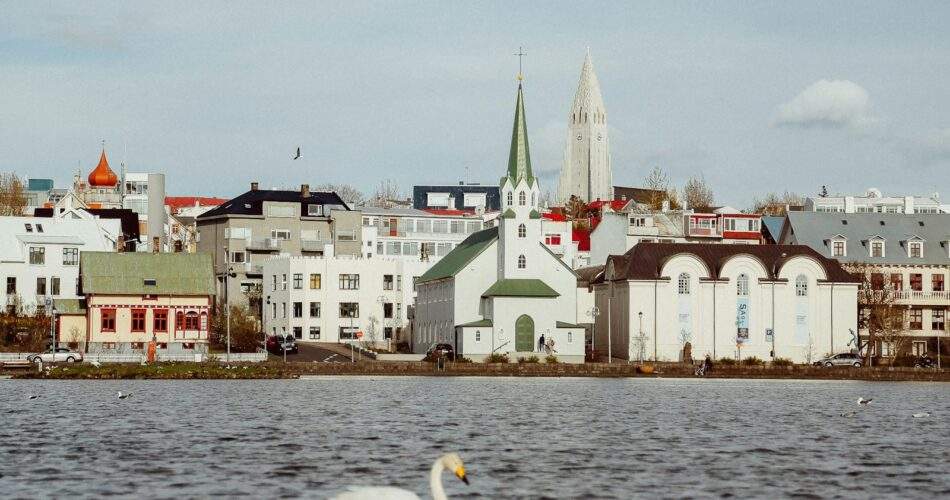

Reykjavík sits improbably on the edge of the inhabitable world, a city of just over 130,000 that punches far above its weight in creative energy and cultural confidence. The world’s northernmost capital feels less like a major metropolis and more like a village that accidentally became important—colorful tin-roofed houses climb gentle hills, steam rises from geothermal vents in residential neighborhoods, and the surrounding wilderness of black lava fields and volcanic peaks presses in from all sides. This is where Icelanders have cultivated something rare: a sophisticated urban culture that never forgot its connection to the raw elemental forces that shaped this island. Here, you’ll find world-class design museums steps from wild coastlines, and locals who swim outdoors year-round in naturally heated pools beneath the aurora borealis or midnight sun.
The timing of your visit fundamentally shapes what Reykjavík reveals. Summer, from June through August, delivers nearly endless daylight—the midnight sun hovers just below the horizon, bathing the city in golden twilight past 11 pm. Temperatures reach a modest 10-15°C (50-59°F), and the city pulses with festivals including Secret Solstice, a music festival held during the summer solstice. The trade-off? Peak crowds and accommodation prices that soar by 50% or more.
Winter transforms Reykjavík into something altogether different. From November through March, darkness dominates—just four to five hours of weak daylight in December—but this is northern lights season. Clear, cold nights offer spectacular aurora displays visible even from downtown streets. Prices drop significantly, though prepare for temperatures hovering around freezing and fierce winds. The shoulder months of May and September offer compelling compromises: ten-hour days, fewer tourists, moderate pricing, and reasonable weather. Late September brings the Reykjavík International Film Festival, while Iceland Airwaves in early November has made the city a pilgrimage site for indie music lovers worldwide.
Begin your exploration at Hallgrímskirkia, the concrete church whose rocket-ship spire dominates Reykjavík’s skyline. Designed to evoke the basalt columns found throughout Iceland’s volcanic landscape, it offers panoramic city views from its tower. From there, descend into the city’s compact heart along Laugavegur, the main shopping artery where high-end Icelandic design sits beside vintage shops and outdoor gear outfitters.
The Old Harbor district has transformed from working waterfront into the city’s most dynamic quarter. The Harpa concert hall rises from the water’s edge like a geometric iceberg, its glass facade reflecting sky and sea in constantly shifting patterns. Inside, the structure designed by artist Ólafur Elíasson hosts the Iceland Symphony Orchestra and serves as architectural spectacle. Nearby, converted warehouses now shelter restaurants, galleries, and the Marshall House, a multi-story contemporary art space that locals actually visit.
For deeper context, the National Museum traces Iceland’s story from Viking settlement to modern nationhood, while the Settlement Exhibition displays the archaeological remains of a 10th-century longhouse discovered beneath the city center. But Reykjavík’s most revelatory experience requires visiting a local geothermal pool—not the tourist-mobbed Blue Lagoon, but neighborhood sundlaugs like Sundhöllin or Vesturbæjarlaug. Here, Icelanders of all ages gather in naturally heated outdoor pools regardless of weather, soaking in 38°C water while snow falls around them, discussing politics in the hot pots. This is Iceland’s true social center, where locals lower their guard and strangers become temporary companions.
Icelandic cuisine draws from harsh necessity and abundant seas. Traditional dishes like plokkfiskur (fish stew), lamb slow-cooked in geothermal ovens, and the tangy skyr yogurt reflect centuries of survival in an unforgiving climate. Modern Reykjavík chefs have transformed these humble ingredients into a sophisticated New Nordic food scene. Don’t miss the unlikely celebrity of Bæjarins Beztu Pylsur, a harbor-side hot dog stand serving lamb-and-pork pylsur that locals and visiting presidents alike queue for. Seafood comes extraordinarily fresh—langoustines, cod, and Arctic char appear on menus hours after landing. For authentic Icelandic baking, seek out Sandholt Bakery on Laugavegur, where rye bread, cinnamon rolls, and kleina (fried pastries) emerge from ovens that have operated since 1920. If you’re brave, try hákarl (fermented shark) at least once, preferably with a shot of brennivín to wash away the ammonia taste.
The 101 district—Reykjavík’s postal code-turned-neighborhood name—puts you within walking distance of virtually everything in the compact downtown core. The Old Harbor area suits travelers wanting immediate access to restaurants and nightlife in converted warehouses and fishing buildings. For a more residential experience with proximity to botanical gardens and Laugardalur’s geothermal pools and sports facilities, consider staying slightly east of center where prices drop and you’ll encounter more locals than tourists at your breakfast table.
Reykjavík demands more time than its size suggests. When you’re ready to dive deeper into planning, Cityraze can help connect you with the cultural experiences, dining spots, and museums that align with your particular interests and travel season.