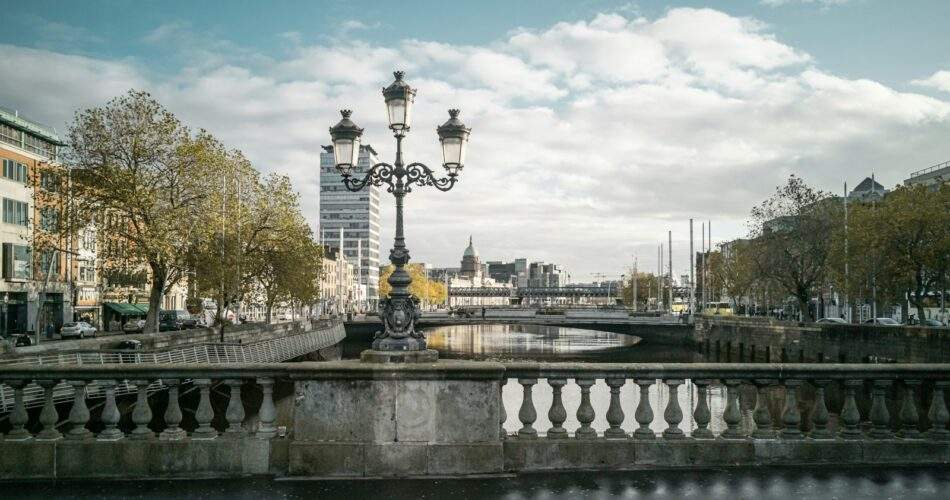

Dublin works its way into your chest quietly—through the warmth of a pub session where strangers become storytellers, through the soft light that breaks over Georgian doorways in shades you didn’t know existed, through the salt-laced wind that sweeps up the Liffey and reminds you the sea is never far. This is a city built on conversation and contradiction: fiercely literary yet unpretentious, historically layered yet refreshingly modern. Writers haunt the streets here, not just in bronze statues but in the rhythm of how people talk, pause, and listen. Dublin rewards those who wander with curious ears as much as curious eyes, and whether you’re tracing James Joyce’s footsteps or simply following the sound of fiddle music around a corner, you’ll find a city that still knows how to make you feel like you’re discovering something meant just for you.
The city reveals itself differently depending on when you arrive. Late spring through early autumn—May to September—brings the longest days and warmest weather, though “warm” in Dublin means pleasant 15-20°C temperatures rather than scorching heat. June offers nearly eighteen hours of daylight, perfect for evening strolls along the Grand Canal or through Phoenix Park. Summer also brings crowds, particularly around Temple Bar and Trinity College, and accommodation prices peak during these months.
Autumn carries a particular magic as the city returns to its locals. September and October offer mild weather, fewer tourists, and the Theatre Festival transforms venues across the city into stages for experimental and classic performances. Winter is raw and wet, but December compensates with festive markets and cozy pub culture at its finest. January through March can feel relentlessly grey and damp—this is when Dubliners themselves dream of elsewhere. If you’re visiting during these months, embrace the literary side: museums, libraries, and afternoon pints by the fire become the experience rather than the consolation prize. Spring arrives tentatively in April, and by May, the city shakes off winter with visible relief.
Trinity College’s Long Room remains genuinely breathtaking no matter how many photographs you’ve seen—walking beneath that vaulted ceiling surrounded by 200,000 ancient texts feels like stepping inside a cathedral of human knowledge. The Book of Kells deserves its reputation, but linger in the library itself afterward; that’s where the real magic lives.
Beyond the obvious landmarks, Dublin’s true character emerges in its neighborhoods. The Liberties, one of the city’s oldest quarters, reveals Dublin’s working-class soul through whiskey distilleries turned museums and Victorian markets where locals still shop for vegetables and flowers. Stoneybatter, just northwest of the center, showcases the city’s evolving personality—independent bookshops sit beside natural wine bars, and conversations in cafés blend Irish and a dozen other languages. Walk up to Kilmainham to understand Ireland’s struggle for independence at the former jail, then soften the experience with a wander through the War Memorial Gardens, which even many Dubliners overlook.
For something unexpected, visit Marsh’s Library near St. Patrick’s Cathedral—Ireland’s oldest public library, where you can see the original cages readers were locked into with rare books to prevent theft. The Iveagh Gardens, tucked behind the National Concert Hall, offer a peaceful escape that tourists consistently miss in favor of the more famous St. Stephen’s Green. And if you’re in the city on a Tuesday or Saturday, the organic market at Phoenix Park’s Farmleigh Estate attracts more locals than visitors, offering genuine insight into how contemporary Dubliners actually eat and gather.
Irish food has shed its stodgy reputation, though you’ll still want to try a proper Irish breakfast at least once—the combination of sausages, black and white pudding, eggs, and soda bread is genuinely satisfying, not just tourist obligation. Seafood here is exceptional given the coastline: oysters from Galway Bay, Dublin Bay prawns, and fish so fresh it arrived that morning. The city’s restaurant scene has blossomed in recent years, with places like Chapter One demonstrating that Irish ingredients handled with skill rival anything in Europe. For something more casual, the seafood at Klaw or the innovative small plates at Forest Avenue show Dublin’s culinary confidence without the stuffiness.
Don’t leave without experiencing coddle—a traditional Dublin stew of sausages, bacon, and potatoes that you’ll find in proper local pubs rather than touristy spots. And while Guinness tastes different everywhere, there’s truth to the idea that it pours particularly well here; find a neighborhood pub where locals outnumber visitors and you’ll understand why people still debate the merits of different bartenders’ pours.
For accommodation, the Georgian neighborhoods around Merrion Square and Fitzwilliam Square offer elegance and easy walking to major sights. Temple Bar puts you in the center of nightlife—thrilling if you’re young and loud, exhausting if you’re not. Stoneybatter and Smithfield appeal to travelers who want to feel less like tourists and more like temporary residents, with excellent local cafés and easier parking. The Docklands area offers modern hotels with good value, though it lacks the character of older neighborhoods. Wherever you base yourself, Dublin’s compact center means most areas connect easily by foot or a short bus ride.
Ready to start exploring? Cityraze can help you find the experiences, restaurants, and cultural sites that match your travel style—making your Dublin visit as unique as the city itself.