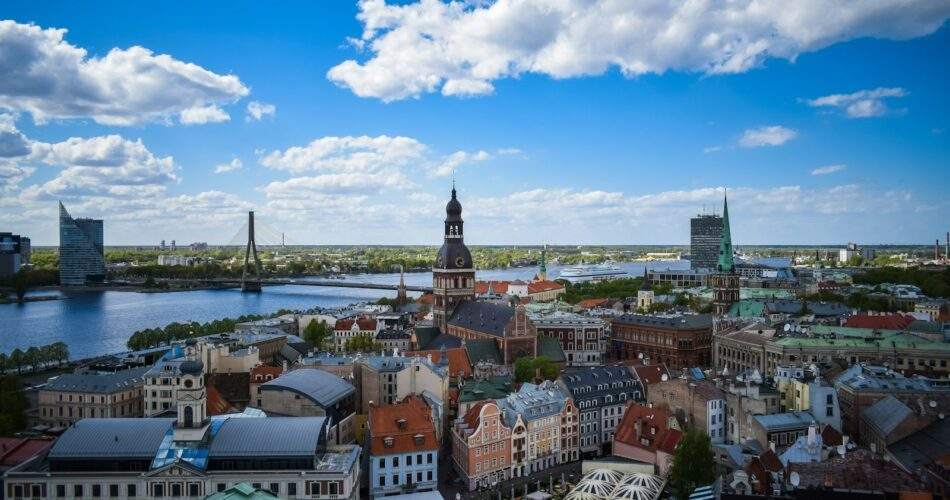

Riga unfolds along the Daugava River like a living architecture museum, where Gothic spires pierce the sky beside the world’s most concentrated collection of Art Nouveau buildings. This Baltic capital carries the weight of eight centuries in its cobblestones, yet pulses with an energy that’s distinctly contemporary. The city’s soul reveals itself in contrasts—medieval guild halls stand blocks from avant-garde galleries, while young Latvians sip craft beer in former Soviet factories now reimagined as creative hubs. It’s a place where history isn’t preserved behind velvet ropes but woven into daily life, where you’ll hear four languages spoken on a single street corner, and where the long summer twilight seems to suspend time itself. Riga rewards the traveler who looks beyond the postcard-perfect Old Town to discover a city reinventing itself while honoring its complicated past.
The question of timing your visit to Riga depends entirely on what kind of experience you’re seeking. Summer, particularly June through August, offers the city at its most luminous. Those legendary white nights bring nearly eighteen hours of daylight, and Rigans emerge from winter hibernation with infectious energy. Outdoor cafés fill the squares, riverside beaches come alive, and the Midsummer celebration of Jāņi in late June showcases Latvia’s pagan roots with bonfires, flower crowns, and all-night revelry. The trade-off? You’ll share Old Town’s narrow streets with cruise ship passengers and coach tours, and accommodation prices peak.
Spring and autumn present Riga’s most authentic face. May brings lilacs blooming in Kronvalda Park and manageable crowds, while September’s golden light transforms the city’s Art Nouveau facades into honey-colored masterpieces. October can be moody and wet, but hotel rates drop significantly. Winter is for the devoted—December’s Christmas markets and twinkling lights make the sub-zero temperatures bearable, but January and February test your resolve with bitter cold and only six hours of daylight. However, if you can brave the freeze, you’ll find Riga stripped of pretense, locals filling cozy cafés, and room rates at their lowest.
The heart of Riga beats strongest in Vecrīga, the Old Town, where UNESCO-protected medieval buildings cluster around Town Hall Square. But save your real attention for Alberta iela, a single street that contains the most spectacular concentration of Art Nouveau architecture you’ll find anywhere on earth. Walking this tree-lined avenue feels like stepping into an architect’s fever dream—buildings drip with sculptural excess, their facades adorned with screaming masks, sphinxes, peacocks, and mythological figures that seem to writhe in the stonework. Number 13, designed by Mikhail Eisenstein, father of the famous filmmaker, reaches peak theatrical drama.
The Central Market operates inside five massive Zeppelin hangars from the 1930s—an unlikely marriage of industrial architecture and daily Latvian life. Arrive mid-morning to watch babushkas sell wild mushrooms foraged that morning, farmers offer raw honey in recycled jars, and fishmongers display Baltic sprats and smoked eel. It’s touristy, yes, but also genuinely where locals shop. For a quieter revelation, head to Kalnciema Quarter on Saturday mornings, when a farmers market fills this restored wooden architecture district with artisan breads, organic vegetables, and handcrafted goods that reflect Latvia’s return to pre-Soviet traditions.
Cross the river to Ķīpsala, an island neighborhood where wooden houses painted in faded pastels create an unexpectedly bohemian atmosphere. Here you’ll find Andrejsala, the creative district where warehouses have become galleries, design studios, and performance spaces. Few guidebooks mention it, but locals consider it Riga’s most interesting transformation.
Latvian cuisine emerged from centuries of scarcity—hearty, unfussy, designed to fuel bodies through brutal winters. Grey peas with bacon and onions appear on nearly every traditional menu, as does skābeņu zupa, a sorrel soup that tastes like spring itself. Rye bread comes dark, dense, and slightly sweet, often paired with Jāņu siers, a caraway-speckled cheese. Black balsam, Riga’s jet-black herbal liqueur, divides opinion—locals mix it with coffee or blackcurrant juice to tame its medicinal punch.
For modern interpretations of these traditions, Folkklubs Ala Pagrabs serves authentic Latvian fare in a vaulted medieval cellar with live folk music most evenings. Istaba makes rye bread ice cream that sounds gimmicky but tastes revelatory. Don’t leave without trying smoked fish from the Central Market—buy it warm, wrapped in paper, and eat it walking through Bastejkalna Park.
When choosing where to base yourself, consider that Old Town’s romantic appeal comes with tourist-zone prices and evening noise. Quiet Centrs, the Art Nouveau district just north, offers residential calm and better value while remaining completely walkable. Agenskalns, across the river, attracts young Rigans with its cheaper rents and emerging café scene. The key is staying within the boulevards that ring the city center—venture beyond and you’ll lose Riga’s intimate scale.
Cityraze can help you explore accommodation options that match your travel style and connect you with authentic experiences that go deeper than the typical tourist circuit. Start planning your Baltic discovery.