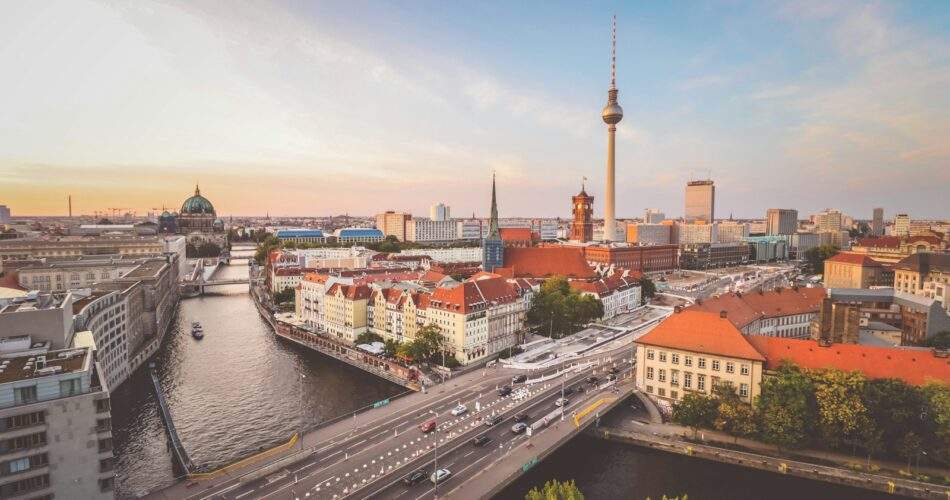

Berlin wears its scars like tattoos—visible, intentional, and impossible to ignore. This is a city that rebuilt itself from rubble twice in one century, and that restless energy still hums through every graffitied alley and converted factory space. Here, Cold War watchtowers stand beside glass-walled startups, and Sunday afternoons stretch into bleary Monday mornings without judgment. Berlin attracts the artists who couldn’t afford Paris, the historians obsessed with the twentieth century’s darkest chapters, and anyone who believes a city should prioritize substance over polish. The architecture tells stories in layers: Prussian grandeur, Nazi megalomania, Soviet brutalism, and contemporary glass all competing for space. But what makes Berlin truly magnetic is its refusal to be precious about itself—this is a capital city where you can drink beer on the U-Bahn and nobody blinks.
The sweet spot for visiting runs from late April through June, when the city shakes off its winter gloom and the parks explode with activity. Temperatures hover in the pleasant teens and low twenties Celsius, and Berliners emerge hungry for daylight after the long, grey winter months. Beer gardens reopen, outdoor flea markets resume their weekend rhythms, and you can explore without the summer crowds that descend in July and August. September and early October offer a second golden window—warm enough for riverside walks along the Spree, with the added bonus of fewer tourists and the city’s cultural calendar shifting into high gear as residents return from holiday.
Winter demands a specific constitution. From November through March, Berlin becomes genuinely cold and dark, with the sun setting before 4 PM at the solstice. But if you can handle the gloom, winter reveals the city’s indoor treasures: world-class museums without queues, cozy neighborhood bars where locals actually congregate, and the famous Christmas markets that transform squares throughout December. Avoid peak summer in August if you value breathing room—Germans take their annual leave seriously, but international visitors pack the major sites. New Year’s Eve in Berlin is legendary but chaotic, with improvised street parties and enough fireworks to resemble a minor uprising.
Start at the East Side Gallery, where a surviving stretch of the Berlin Wall became the world’s longest open-air gallery. The murals range from iconic to mediocre, but standing before them drives home what divided this city for twenty-eight years in a way that guidebooks cannot. From there, move to Museum Island, where five world-renowned museums cluster on a Spree River island—the Pergamon Museum and Neues Museum deserve full mornings if ancient civilizations fascinate you. But don’t let the obvious landmarks consume all your time.
The real Berlin reveals itself in neighborhoods like Kreuzberg and Neukölln, where Turkish-German culture has deep roots and the street life actually matters. Wander the Turkish Market along Maybachufer on Tuesday or Friday afternoons, where vendors sell everything from hand-rolled gözleme to cheap flowers, and the crowd reflects Berlin’s actual diversity rather than its tourist-brochure version. Prenzlauer Berg offers a gentler experience—cobblestoned streets, independent bookshops, and the kind of cafés where people actually work rather than perform working.
For something most visitors miss entirely: explore the Teufelsberg, an abandoned Cold War listening station built on a hill of wartime rubble in the Grunewald forest. The graffitied domes and crumbling infrastructure feel post-apocalyptic, and the view across the city reminds you that Berlin is surprisingly green and sprawling. If you visit on a Sunday, join the locals at Mauerpark for karaoke in the amphitheater—it’s gloriously unpretentious and often hilariously terrible.
Berlin’s food scene reflects its working-class roots and immigrant communities more than haute cuisine, though fine dining has made inroads. Currywurst remains the city’s unofficial dish—sliced bratwurst smothered in curry ketchup, best consumed at 2 AM from a street stand. But the real revelation is the Turkish-German fusion: döner kebab was invented here, and spots like Mustafa’s Gemüse Kebap draw hour-long queues for good reason. For sit-down meals, try Markthalle Neun in Kreuzberg on Thursday evenings when Street Food Thursday transforms the historic market hall into a global food court. The breakfast and brunch culture runs deep—weekend mornings mean leisurely spreads at cafés across the city, with Berliners lingering over eggs, fresh bread, and endless coffee. Don’t miss a proper German bakery for Brötchen in the morning, or the many Vietnamese restaurants concentrated in Lichtenberg, a legacy of East Germany’s guest worker programs.
Accommodation choices depend on your priorities. Mitte keeps you central but can feel touristy and sterile outside the museum quarter. Friedrichshain balances accessibility with nightlife and a younger vibe, while Kreuzberg and Neukölln offer more authentic neighborhood experiences at lower prices. Prenzlauer Berg suits travelers wanting a residential feel with excellent cafés and weekend markets. Most neighborhoods connect efficiently via Berlin’s extensive public transit, so prioritize atmosphere over strict centrality.