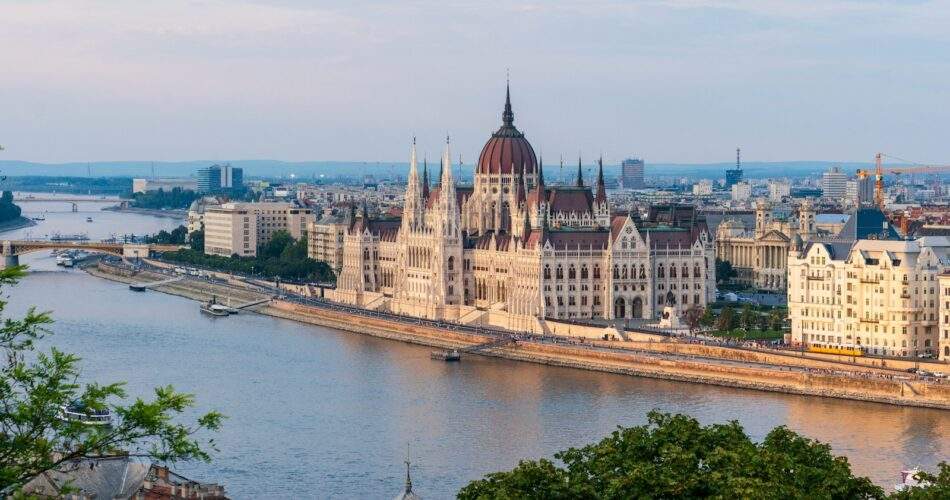

Budapest emerges from the Danube like a city that refused to choose between East and West, old and new. The river splits it into two distinct personalities—Buda’s castle-crowned hills and Pest’s buzzing boulevards—yet somehow they feel inseparable. This is a place where people still take thermal bathing seriously, where ruin bars fill crumbling courtyards with life, and where the weight of empire-era architecture never feels like a museum piece. It’s genuinely lived-in grandeur, with Hungarians going about their daily routines in buildings that would be tourist attractions elsewhere. The cultural confidence here runs deep, shaped by centuries of survival, reinvention, and a stubborn refusal to be defined by anyone else’s terms. If you’re drawn to cities with layers—where Ottoman baths coexist with Art Nouveau masterpieces and Communist-era brutalism—Budapest rewards curiosity.
The question of timing matters here more than in many European capitals. Late spring, particularly May and early June, offers the city at its most generous: warm days perfect for exploring on foot, outdoor terraces reopening along the Danube, and the chestnuts blooming in City Park. September and early October deliver similar conditions with the added drama of autumn colors and harvest season energy. Summer brings intense heat—July and August regularly hit 35°C—which drives locals to the outdoor thermal baths and lake Balaton rather than museum-hopping. Winter transforms Budapest into something more austere but magical, especially when snow blankets the Fisherman’s Bastion. The Christmas markets are genuinely charming rather than tourist traps, and you’ll find locals soaking in the Széchenyi Baths under winter skies. Avoid late November through February if you’re not comfortable with short, grey days and biting cold. The Sziget Festival in August draws enormous crowds and inflates prices considerably, so book far ahead if you’re coming then, or skip that week entirely if you prefer the city’s normal rhythm.
Start with the Castle District in Buda, but arrive early before tour groups descend. The real pleasure here isn’t just Matthias Church or the panoramic views from the ramparts—it’s wandering the narrow residential streets where embassies and locals occupy medieval and baroque buildings side by side. Cross the Chain Bridge on foot to experience its full elegance, then lose yourself in Pest’s Jewish Quarter, where the Dohány Street Synagogue anchors a neighborhood that pulses with contemporary energy. The ruin bars here—especially the original Szimpla Kert—grew organically from abandoned buildings and represent Budapest’s genius for creative reuse rather than polished renovation.
The Hungarian Parliament Building demands attention whether you tour inside or simply view it from across the river at golden hour. For a different kind of grandeur, the Hungarian State Opera House offers tours and affordable performance tickets that feel like time travel to imperial Vienna. The Great Market Hall gives you Budapest’s appetite in one nineteenth-century iron-and-glass structure: paprika vendors, lángos stalls, and locals shopping for produce on the ground floor. But here’s what most visitors miss: the Kerepesi Cemetery, where Hungary’s artistic and political elite rest under stunning Art Nouveau monuments. It’s a sculpture garden disguised as a graveyard, peaceful and almost always empty. Similarly, while everyone photographs the Széchenyi Baths, locals often prefer Gellért Baths for its genuine Art Nouveau interiors and fewer selfie-sticks.
Hungarian food doesn’t apologize for itself—it’s hearty, paprika-heavy, and built for colder climates. Goulash here is actually a soup, rich with beef and vegetables. Chicken paprikash, lángos (deep-fried dough topped with sour cream and cheese), and chimney cakes from street vendors all demand your attention. The café culture rivals Vienna’s, with New York Café offering the most opulent setting and Centrál Kávéház providing a more authentic local experience. For something unexpected, seek out a büfé—unglamorous counter-service spots where you’ll eat better than in tourist-trap restaurants at a fraction of the price. Seasonal timing matters: hearty stews in winter, cold fruit soups and outdoor grilling in summer. Don’t leave without trying a proper palacsinta (crepe) filled with túró (cottage cheese) or Gundel’s chocolate-and-walnut filling. The wine culture here is sophisticated and underappreciated—Hungarian wines, particularly from Tokaj and Eger, deserve serious attention.
For accommodation, District V (Belváros-Lipótváros) puts you in the elegant heart of Pest with easy access to everything. The Jewish Quarter in District VII offers proximity to nightlife and contemporary culture. If you prefer quiet and views, stay on the Buda side in Districts I or II, though you’ll be crossing the river frequently. District XIII along the Danube combines residential calm with good public transport connections. Wherever you choose, Cityraze can help you explore accommodation options that match your style and connect you with cultural experiences worth building your itinerary around.
Budapest rewards travelers who take their time, who soak literally and figuratively, who appreciate that not everything needs to be renovated to within an inch of its life. Start planning your visit on Cityraze to discover the museums, restaurants, and experiences that will make this city reveal itself on your terms.