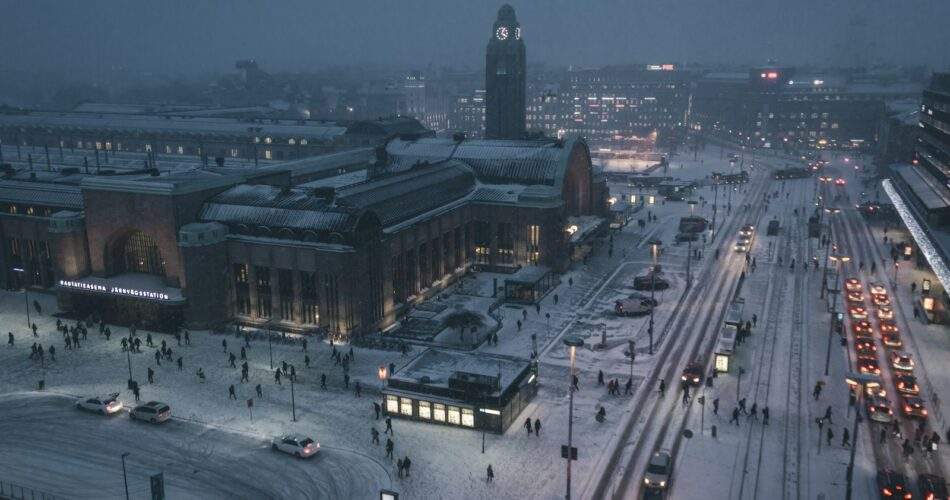

Helsinki sits where Baltic waters meet granite bedrock and endless sky, a city that’s mastered the art of living well in a challenging climate. The Finnish capital rewards those who look beyond the surface—beneath its clean lines and measured Nordic calm lies a design-obsessed culture that celebrates both cutting-edge innovation and centuries-old traditions. This is a place where you’ll find locals swimming in the sea year-round, where public saunas serve as community living rooms, and where the sun barely sets in summer or rises in winter. The rhythm here follows nature’s extremes, and that tension has shaped everything from the architecture to how people gather, eat, and create.
Planning when to visit Helsinki means deciding which version of the city speaks to you. Summer, from late May through August, transforms Helsinki into an outdoor celebration. With nearly 19 hours of daylight in June, locals spill onto terraces, islands, and parks, making up for the dark months with an almost manic energy. Temperatures hover between 15-25°C—perfect for cycling along the waterfront or island-hopping through the archipelago. This is when Restaurant Day happens quarterly, turning the city into an open-air dining experiment where anyone can set up a pop-up eatery.
Winter is Helsinki’s most divisive season. From November through March, daylight shrinks to just five or six hours, and temperatures regularly drop below freezing. But if you’re drawn to the theatrical beauty of snow-lit streets, steaming saunas, and the possibility of northern lights just outside the city, winter reveals a more intimate Helsinki. December brings Christmas markets and Lux Helsinki, a light art festival that illuminates the dark January nights. Avoid late October and November unless you’re comfortable with gray skies and constant drizzle—it’s the city at its most melancholic. Spring and early fall offer mild weather and smaller crowds, though you’ll gamble with unpredictable conditions.
The city center unfolds around Senate Square, where pale neoclassical buildings frame Helsinki Cathedral’s green domes—a testament to when Finland was part of the Russian Empire. But it’s the unexpected architectural moments that define the city: the Temppeliaukio Church, carved directly into solid rock with a copper dome filtering light onto stone walls, or the Oodi Central Library, a 2018 addition where curved wood and glass create a public living room that’s become a point of civic pride. The waterfront Suomenlinna fortress, spread across six islands and reached by a fifteen-minute ferry, offers both UNESCO-protected military history and peaceful walking paths where locals picnic in summer.
Helsinki’s Design District, concentrated around Punavuori and Kaapelitehdas neighborhoods, showcases why this city punches above its weight in global design conversations. Small galleries, studios, and concept shops occupy Art Nouveau buildings, and you’ll stumble across everything from minimalist furniture showrooms to experimental fashion boutiques. For something most tourists miss, head to Kallio, the traditionally working-class neighborhood that’s become Helsinki’s creative heartland. Its vintage shops, dive bars, and genuine neighborhood saunas like Kotiharju offer a grittier counterpoint to the polished center.
The sauna culture here isn’t tourist theater—it’s genuine social infrastructure. Löyly, the architectural showpiece on the southern waterfront, combines modern design with traditional smoke sauna, but locals also frequent Kulttuurisauna, where you can swim in the Baltic between rounds of heat.
Finnish food culture balances ancient preservation techniques with New Nordic innovation. Salmon and Baltic herring appear in countless forms, from gravlax to smoked preparations. You’ll find Karelian pies—rye pastry filled with rice porridge and topped with egg butter—at every café, alongside korvapuusti, the cardamom-spiced cinnamon buns that pair with Finland’s famously strong coffee. Reindeer, prepared as sautéed strips or stew, shows up on most menus, earthy and surprisingly tender.
The Old Market Hall, dating from 1889, houses vendors selling everything from cloudberry jam to fresh salmon soup, while Restaurant Juuri popularizes “sapas”—Finnish tapas highlighting regional ingredients. Summer means wild berries and new potatoes; winter brings hearty root vegetables and game. Don’t skip the casual café culture—Finns consume more coffee per capita than almost anywhere on earth.
For accommodations, Kamppi and the city center offer convenience and easy access to transport. The Design District neighborhoods of Punavuori and Ullanlinna place you among independent shops and cafés with a residential feel. Kallio appeals to travelers seeking authentic local atmosphere and lower prices. Anywhere near the waterfront puts you within walking distance of the market square and ferry terminals.
Cityraze can help you discover the specific museums, restaurants, and cultural experiences that match your interests, whether you’re chasing architecture, design, or simply the perfect Finnish sauna experience.