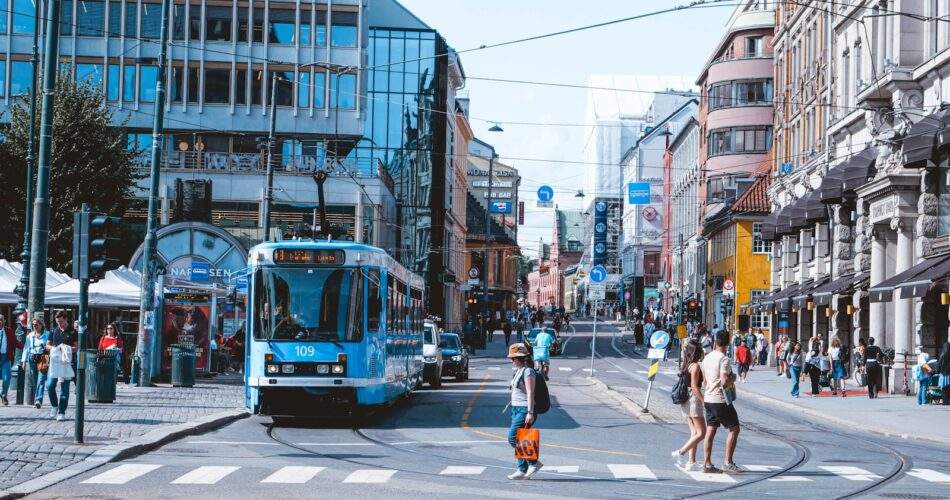

Oslo sits cradled between the Oslofjord and densely forested hills, a city where you can museum-hop in the morning and hike to a mountain cabin by afternoon. This is a capital that takes its cultural heritage seriously—from Viking ships preserved for over a thousand years to the tortured brilliance of Edvard Munch—yet somehow remains refreshingly unpretentious. The air here tastes different, especially after rain sweeps down from the surrounding wilderness. Locals bicycle year-round, even through snow, and there’s an unspoken agreement that nature isn’t something to visit on weekends; it’s woven into daily life. The city’s compact size belies its cultural depth, and its position at the head of a magnificent fjord gives even the most urban neighborhoods a backdrop that shifts from silver to deep blue depending on the season and light. This is a place that rewards those who look beyond the museum tickets and restaurant reservations to understand how Norwegians actually live.
The question of when to visit Oslo depends entirely on what you’re seeking. Summer, particularly late June through August, offers nearly endless daylight—the sun barely dips below the horizon, and locals colonize every outdoor café table, waterfront dock, and park lawn with an almost desperate appreciation. Temperatures hover comfortably in the low twenties Celsius, perfect for island-hopping in the fjord or exploring the open-air folk museum at Bygdøy. This is peak season, however, meaning higher accommodation prices and crowded attractions. September brings surprising value: crisp mornings, golden foliage in the surrounding forests, and far fewer tourists, though you’ll need a proper jacket. Winter transforms Oslo completely. From December through March, expect short days, snow blanketing the hills, and temperatures well below freezing. Yet this season reveals the city’s soul—cross-country ski trails illuminate after dark, locals ice skate on frozen ponds, and the hygge-infused café culture reaches its cozy zenith. Just avoid late November and early March when weather turns unpredictably slushy. Spring arrives slowly, with May finally delivering cherry blossoms and the collective relief of returning light.
Begin at the Oslo Opera House, a striking marble-and-glass structure that rises from the harbor like an iceberg. Visitors walk directly onto its sloping roof for panoramic views—this is architecture designed for democratic access rather than intimidation. From there, the waterfront district of Aker Brygge and the adjacent Tjuvholmen neighborhood showcase contemporary Nordic design, with sculpture installations and sleek galleries punctuating the harborfront promenade. The Viking Ship Museum on the Bygdøy peninsula houses remarkably intact vessels that carried Norse warriors and their goods into the afterlife, while nearby, the Fram Museum tells the less mythologized story of polar exploration with the actual ship Nansen sailed toward the North Pole. Don’t miss the Vigeland Sculpture Park, an open-air gallery where over two hundred bronze and granite figures explore the human condition in sometimes unsettling detail—all created by a single artist given free rein by the city. For something most visitors overlook, take tram number 12 up to Korketrekkeren, a toboggan run that becomes a popular hiking trail in summer. The surrounding Nordmarka forest is laced with paths where you’ll encounter Oslovians doing what they call “friluftsliv”—the almost sacred practice of outdoor life. The Munch Museum, reopened in a striking new waterfront building, dedicates thirteen floors to the artist’s obsessive output, including multiple versions of The Scream that reveal Munch’s technique and psychological depth far better than any postcard could.
Norwegian cuisine has evolved dramatically beyond its reputation for preserved fish and boiled potatoes, though you should absolutely try the traditional open-faced shrimp sandwich piled impossibly high with sweet North Atlantic shrimp, mayonnaise, lemon, and dill. The New Nordic movement has transformed Oslo’s dining scene, emphasizing seasonal, local ingredients prepared with creativity and restraint. Seek out “raspeballer” or potato dumplings in autumn, or “fårikål”—lamb and cabbage stew—which Norwegians consider their unofficial national dish. For something lighter, Oslo’s café culture centers around coffee (taken seriously here) and cardamom-scented sweet buns. Mathallen food hall in Vulkan offers an accessible introduction to artisanal Norwegian producers, from cured meats to farmhouse cheeses. Tim Wendelboe’s coffee bar in Grünerløkka serves meticulously sourced single-origin brews to discerning locals who’ll wait patiently in line.
For accommodations, consider Grünerløkka if you want a residential neighborhood feel with vintage shops, street art, and cafés frequented by actual Norwegians rather than tour groups. The central corridor along Karl Johans gate places you within walking distance of most museums and attractions but lacks local character. Aker Brygge and Tjuvholmen offer waterfront sophistication with higher price tags to match. Frogner, home to Vigeland Park, provides a more residential, upscale atmosphere with tree-lined streets and proximity to the western forests. Wherever you base yourself, Oslo’s efficient public transport makes reaching most destinations straightforward, and the city remains refreshingly walkable for a capital.