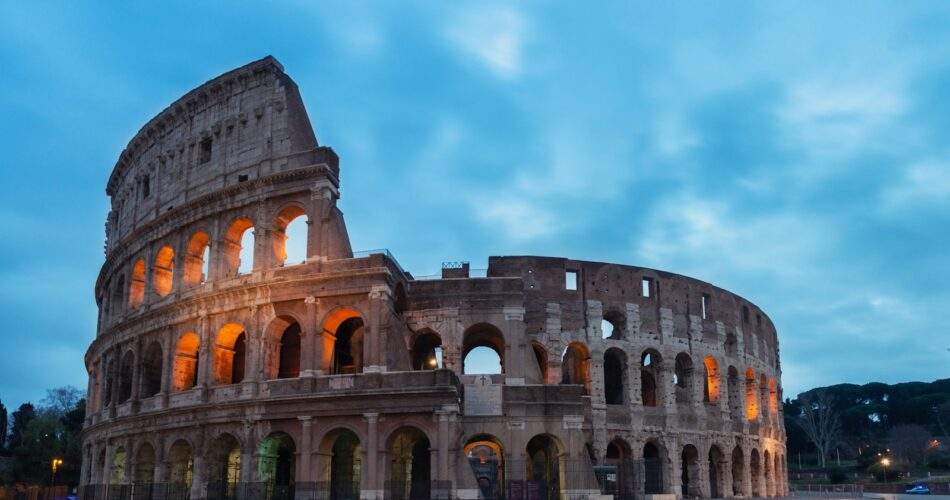

Rome lives in layers. Walk any cobblestoned street and you’re treading on centuries—ancient foundations beneath Renaissance facades, baroque fountains fed by aqueducts older than most nations, neighborhood trattorias occupying spaces that have served food since the medieval era. This is a city where grandmothers still hang laundry from windows overlooking the Forum, where espresso bars nestle into the ground floors of buildings that witnessed emperors and popes. The magic of Rome isn’t just in its monuments, though they’re breathtaking. It’s in the way ordinary life continues to unfold among extraordinary ruins, how a Sunday passeggiata might lead you past a Caravaggio or a 2,000-year-old temple on your way to buy vegetables. Rome asks you to slow down, to notice, to let history and the present moment exist side by side.
The ideal time to experience Rome falls between April and early June, when the city shakes off winter and wisteria drapes from terraces across Trastevere. Temperatures hover in the pleasant 15-25°C range, perfect for long days of walking without the punishing heat that arrives later. September through October offers similar conditions—the ochre light of autumn makes even ordinary buildings look painterly, and Romans return from August holidays to reopen their favorite spots.
Summer, particularly July and August, brings sweltering heat that can make standing in line at the Colosseum genuinely miserable. Many locals flee the city during Ferragosto in mid-August, and while you’ll find fewer crowds at major sites, numerous family-run restaurants and shops close for weeks. Winter (November through March) sees far fewer tourists and lower prices, but expect gray skies and occasional rain. Christmas transforms the city beautifully, though, with nativity scenes in churches and festive markets near Piazza Navona. Easter week is spectacular for those interested in religious ceremonies, but accommodations book up months ahead and prices spike accordingly.
Begin with the obvious because it genuinely deserves your attention: the Colosseum at sunrise, before the tour groups arrive, when morning light hits the travertine and you can almost hear the roar of ancient crowds. But then wander beyond the imperial center. The neighborhood of Testaccio remains defiantly local, built against an ancient Roman trash heap now covered in grass where locals walk their dogs at dusk. The Protestant Cemetery here is unexpectedly moving—Keats and Shelley rest beneath cypress trees while cats doze on sun-warmed headstones.
Cross the river to Trastevere, but go past the touristy restaurant strips to where laundry flutters overhead and elderly women sit on plastic chairs gossiping in Romanesco dialect. The Villa Doria Pamphilj offers Rome’s largest park, where you can escape entirely into wooded paths and forget you’re in a capital city. For museums, yes, the Vatican holds masterpieces beyond measure, but consider also the Palazzo Massimo near Termini station—ancient Roman frescoes so vivid they look freshly painted, and you’ll share the galleries with perhaps a dozen other visitors.
Here’s something most guidebooks skip: the Aventine Hill keyhole. At the Priory of the Knights of Malta, peer through an ornate keyhole in a green door and find St. Peter’s dome perfectly framed through manicured gardens—three sovereign territories visible through one tiny opening. Visit around sunset when the light turns golden. And if you’re in Rome on a Sunday, forget brunch—join locals at the Porta Portese flea market, a sprawling chaos of antiques, vintage clothing, and questionable electronics that feels authentically, chaotically Roman.
Roman food is the opposite of fussy. It’s cucina povera elevated through centuries of refining what works: pasta with just a few ingredients done exactly right. Cacio e pepe, carbonara, amatriciana, gricia—these are the pillars, and every Roman has opinions about who makes them properly. Seek out supplì (fried rice balls oozing mozzarella) from somewhere like Suppli Roma near the Trevi Fountain. Eat pizza al taglio (by the slice) from Pizzarium for lunch. Jewish-Roman cuisine thrives in the old Ghetto—try carciofi alla giudia (fried artichokes) when they’re in season from winter through spring.
Skip restaurants with photo menus near major monuments. Instead, look for places packed with locals at 1PM or 9 PM—meal times Romans actually eat. Morning means cornetto and cappuccino at a local bar, consumed standing at the counter like you have somewhere to be. Gelato deserves its own pilgrimage; choose shops where the pistachio is brownish-green, not electric green—natural ingredients don’t need enhancement.
For accommodation, Monti offers medieval streets, excellent restaurants, and easy walking distance to the Colosseum—it’s where young Romans go out. Trastevere provides bohemian charm but gets rowdy at night with student bars. Prati, near the Vatican, feels residential and calm, with excellent food shops and fewer tourists. The area around Termini station is convenient for transportation but lacks atmosphere. Campo de’ Fiori puts you in the thick of things—market mornings and lively evenings, though expect noise.