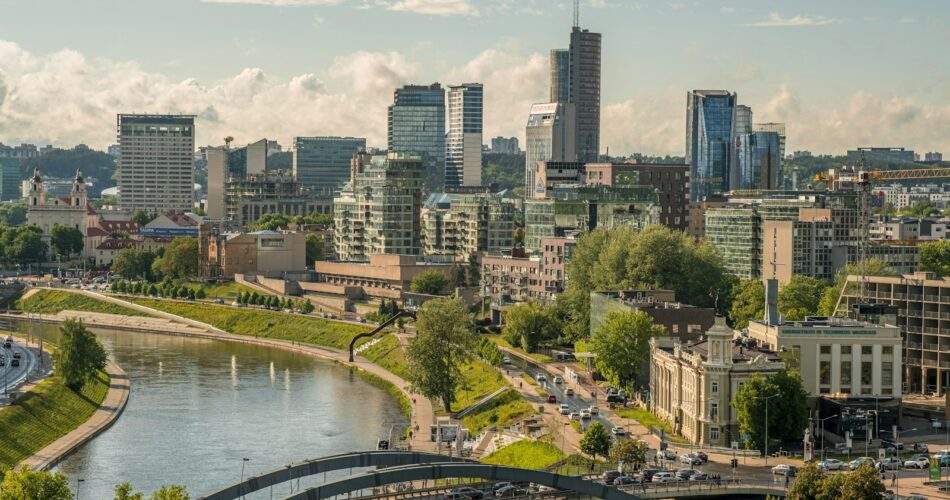

Vilnius unfolds in layers—a city where Baroque spires pierce the sky above cobblestone alleys, where Soviet-era murals share walls with contemporary street art, and where the call to prayer from a minuscule wooden mosque echoes near Catholic cathedrals. This is the Lithuanian capital that survived empires, wars, and occupations, emerging with a resilience embedded in every archway and courtyard. The city feels intimate despite its grandeur, small enough to walk across in an afternoon yet dense with stories that could fill months of exploration. There’s a particular magic here in the quieter corners—the way afternoon light filters through lime trees in summer, or how snow muffles the Old Town into something resembling a fairytale each winter. Vilnius rewards the curious traveler who seeks authenticity over Instagram moments, though you’ll find plenty of both.
The shoulder seasons of late spring and early autumn offer Vilnius at its most balanced. May brings lilac-scented air and outdoor café culture awakening after winter’s grip, while September bathes the city in golden light as students return and cultural programming kicks into high gear. Summer months of June through August promise long days—sunset arriving near 10 PM—and a packed calendar of festivals, though this is also peak tourist season with correspondingly higher prices and fuller streets. Winter transforms the city into something stark and beautiful, with Christmas markets warming Rotušės Square from late November through early January, but temperatures regularly plunge below freezing and daylight becomes precious. March can feel punishingly grey and slushy as winter retreats reluctantly. If you’re planning around events, Uzupis Day on April 1st celebrates the bohemian neighborhood’s satirical independence, while Vilnius Street Music Day in May fills every corner with impromptu performances.
Start your exploration in the Old Town, one of Europe’s largest medieval quarters, where Baroque, Gothic, and Renaissance facades lean together like old friends sharing secrets. The climb up Gediminas Tower rewards you with panoramic views that make sense of the city’s geography—how it sprawls along the confluence of the Vilnia and Neris rivers, green spaces interrupting the urban fabric more generously than most capitals allow. The Cathedral Square below serves as the city’s ceremonial heart, though it’s the tangle of lanes behind it where Vilnius truly lives. Here you’ll find the Gates of Dawn, a rare surviving city gate housing a revered chapel, where even non-believers pause at the palpable devotion of pilgrims.
Cross the bridge into Uzupis, the self-declared republic populated by artists, eccentrics, and cats—plenty of cats. This neighborhood drafted its own constitution, posted on a wall in multiple languages, declaring such rights as “Everyone has the right to be happy” and “A cat is not obliged to love its owner.” The energy here shifts from polished tourist-ready to genuinely bohemian, with galleries tucked into courtyards and a bronze mermaid in the Vilnia River watched over by an angel statue on the main square. For a perspective most visitors miss, walk along Bernardinų Street at dusk when the red brick of St. Anne’s Church glows almost impossibly pink, then continue to the Three Crosses monument on the hill—locals favor this viewpoint over the more famous tower.
Lithuanian cuisine centers on hearty comfort: cepelinai, zeppelin-shaped potato dumplings stuffed with meat or mushrooms and draped in sour cream and bacon bits, demand a appetite and possibly a nap afterward. Šaltibarščiai, a shocking-pink cold beet soup, becomes the summer lunch of choice, refreshing despite its substantial nature. The covered Hales Market offers an authentic glimpse into daily food culture, where vendors sell smoked fish, forest mushrooms, and rye breads dark as earth. For a contemporary interpretation of Lithuanian traditions, Ertlio Namas plates refined versions of historic recipes in an elegant townhouse setting, while Café de Paris, paradoxically, serves some of the city’s best traditional Lithuanian breakfasts in its chandeliered interior.
Base yourself in the Old Town for maximum charm and walkability—most major sights cluster within this UNESCO-protected zone. The Užupis neighborhood appeals to travelers seeking a more alternative, residential vibe with excellent breakfast spots and creative energy. Žvėrynas, across the river, offers a quieter, greener option favored by locals, with wooden houses and tree-lined streets that feel almost provincial. The newer developments around Vilnius Station suit those prioritizing budget and easy transport connections, though they lack the atmospheric appeal that draws most visitors to this unexpectedly captivating city.