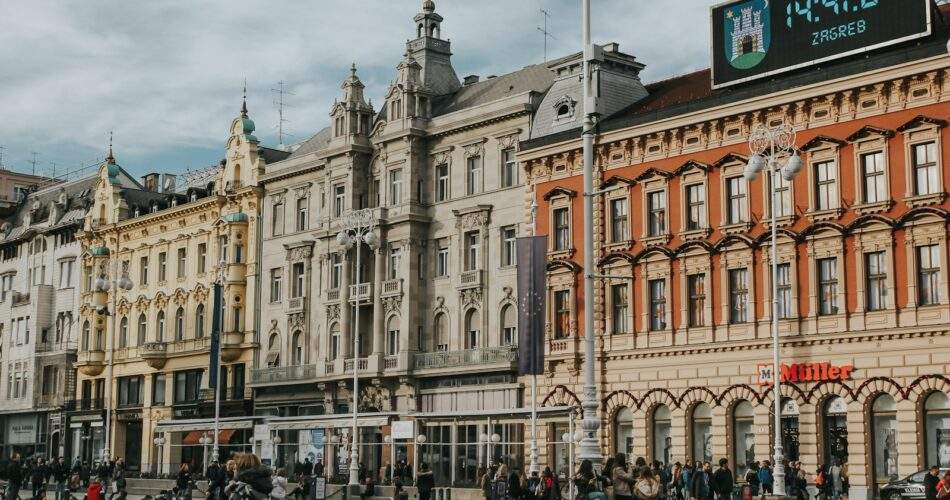

Zagreb reveals itself slowly, like a conversation that deepens the longer you stay. Croatia’s capital sits just inland from the Adriatic coast, often overlooked by travelers rushing toward island-hopping adventures. But this city rewards those who pause here with a rare combination of Austro-Hungarian elegance and post-socialist grit, where baroque churches stand alongside street art, and café culture thrives in every season. The pace feels decidedly European—unhurried, cultured, genuinely lived-in. People linger over coffee for hours, markets overflow with local produce, and museums showcase everything from naïve art to broken relationships. Zagreb isn’t trying to impress anyone, which is precisely what makes it magnetic.
The city experiences all four seasons distinctly, each bringing its own rhythm and appeal. Spring arrives gently between April and early June, when temperatures hover comfortably between 15-22°C and the city’s parks burst with lilacs and chestnuts in bloom. This is Zagreb at its most optimistic—outdoor terraces reopen, locals shed their winter layers, and the city feels rejuvenated. Summer (July-August) brings warmth that occasionally tips into genuine heat, with temperatures reaching 30°C, but the city empties somewhat as locals escape to the coast. This makes it ideal if you prefer fewer crowds, though some restaurants and shops close for summer holidays. Autumn, particularly September and October, rivals spring for ideal visiting conditions, with golden light illuminating the city’s terracotta roofs and comfortable temperatures perfect for walking. December transforms Zagreb entirely when Advent markets take over multiple squares, creating one of Europe’s most enchanting Christmas atmospheres—though expect crowds and higher accommodation prices during this period. Winter otherwise tends toward gray skies and cold (often below freezing), which locals combat with hearty food and warm café interiors. Skip January and February unless you’re drawn to contemplative, off-season travel.
Begin in Gornji Grad, the Upper Town, where Zagreb’s medieval heart still beats beneath centuries of architectural layering. The funicular—the world’s shortest cable car—climbs from the lower city in less than a minute, delivering you to cobblestoned streets where laundry still hangs from windows and neighborhood cats know every shortcut. St. Mark’s Church, with its wildly patterned tile roof depicting Croatian and Zagreb coats of arms, anchors the district, but wander beyond it. The Museum of Broken Relationships occupies this neighborhood, housing donated objects from failed relationships worldwide—quirky, melancholic, and utterly human. From the Lotrščak Tower, a cannon fires daily at noon, a tradition dating back to Ottoman times.
Descend into Donji Grad, the Lower Town, where Zagreb opens into green squares and grand 19th-century boulevards. The Dolac Market, perched above the main square, operates daily as the city’s vegetable and flower heart—local farmers sell beneath red umbrellas, and the atmosphere feels authentically Croatian rather than tourist-oriented. Arrive before 10am when selection peaks. The Croatian Museum of Naïve Art holds an unexpectedly strong collection, while the Mimara Museum offers an eclectic mix of old masters and archaeological treasures. But Zagreb’s real charm often lies in simply walking Tkalčićeva Street, a pedestrian thoroughfare lined with cafés where entire afternoons dissolve over coffee and conversation. For something few visitors discover, visit during summer when Jarun Lake on the city’s southwestern edge becomes Zagreb’s beach—locals swim, paddleboard, and gather at lakeside cafés, offering a glimpse of how residents actually live.
Croatian cuisine may not carry the fame of Italian or French cooking, but Zagreb’s food scene offers satisfying, honest dishes rooted in Central European and Balkan traditions. Strukli dominates local menus—a baked or boiled pastry filled with cheese, somewhere between a dumpling and lasagna, endlessly comforting. You’ll also encounter šnicle (schnitzel), čobanac (rich meat stew), and sarma (stuffed cabbage rolls). The city takes its sweets seriously: kremšnita is a custard cream cake, while fritule (small doughnuts) appear at festivals and markets. For breakfast, head to Mali Bar near Britanski Trg, where locals crowd in for perfect croissants and strong espresso. La Štruk specializes entirely in strukli variations, offering both traditional and creative versions. Zagreb’s craft beer scene has quietly flourished—look for local breweries like Zmajska Pivovara. Wine culture here leans Croatian, with excellent whites from nearby Plešivica region appearing on wine bar menus throughout the city.
For accommodation, consider your priorities carefully. Gornji Grad and the streets around it offer historic atmosphere and proximity to major sights, though options tend toward smaller guesthouses. Donji Grad, particularly near Tkalčićeva or Ilica streets, places you in the thick of café culture and restaurant options with excellent walkability. The neighborhoods south of the main train station offer better value and still sit within easy walking distance of central attractions.
Cityraze can help you discover the restaurants, museums, and cultural experiences that match your particular interests—whether you’re drawn to Zagreb’s art scene, its café culture, or those hidden corners that make a city memorable.